
Drain keeps blocking
Repeat blockages in the same line often point to a structural fault rather than what's being flushed.
recurring blocked drains →Australia-wide enquiry service
Recurring blocked drains, tree roots or cracked sewer pipes? Pipe relining can repair many damaged pipes from the inside without excavating driveways, floors or landscaped areas.
Describe the problem, enter your postcode and submit your enquiry. We help match pipe relining enquiries with suitable specialists servicing your area — we don't carry out the plumbing work ourselves.
Your postcode helps us identify specialists servicing your area. We don't need your street address at this step.
Many damaged pipes can be rehabilitated internally without major excavation.
Your postcode helps match the enquiry with a specialist servicing your area.
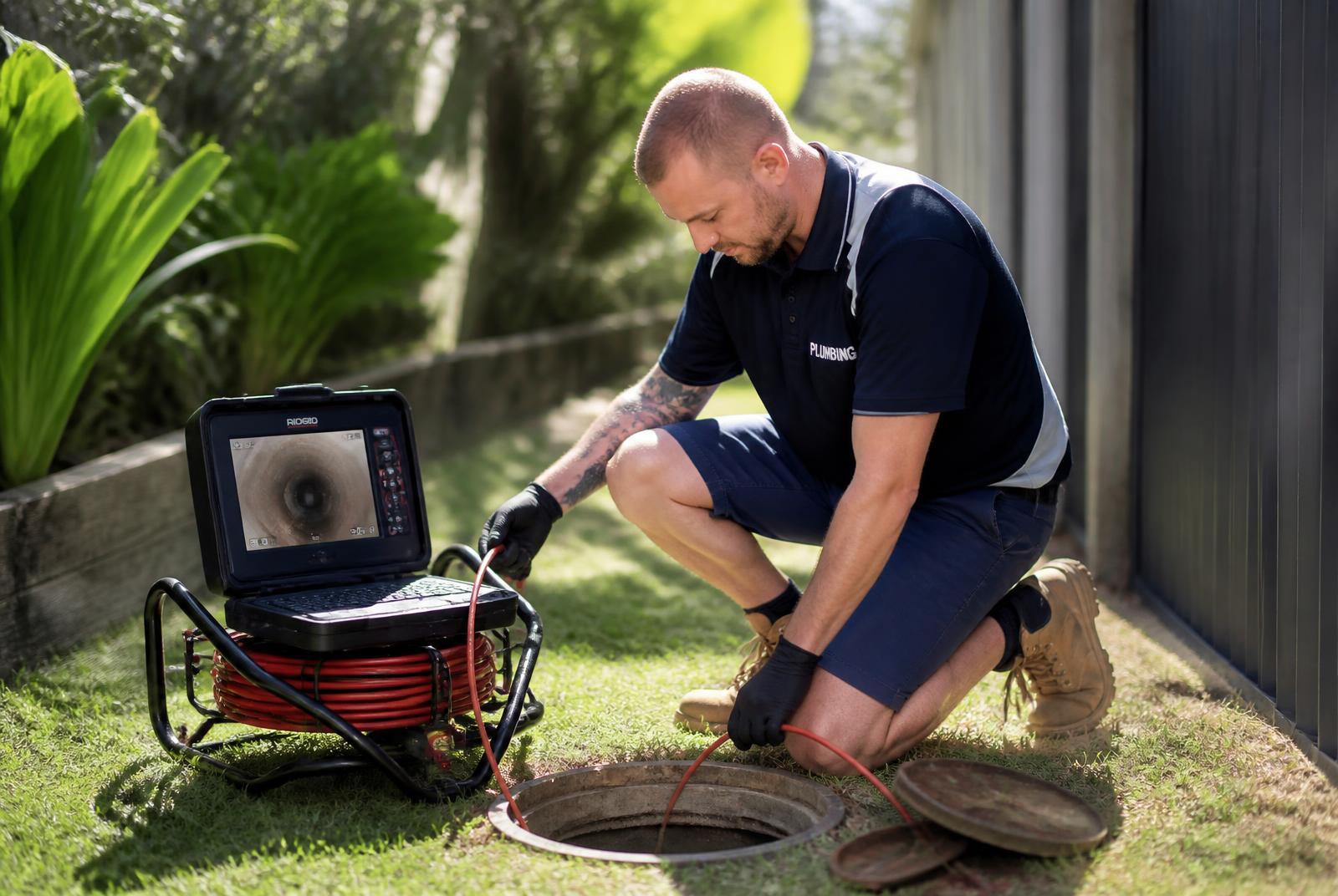
Pipe condition is commonly assessed using CCTV before relining is recommended.
Most enquiries start the same way: something keeps going wrong with a drain and nobody has looked inside the pipe yet.
Repeat blockages in the same line often point to a structural fault rather than what's being flushed.
recurring blocked drains →Roots find cracks and open joints, then grow into the flow path and trap waste.
repairing tree-damaged pipes →Older clay and earthenware sewer lines can crack, sag or lose joint alignment over time.
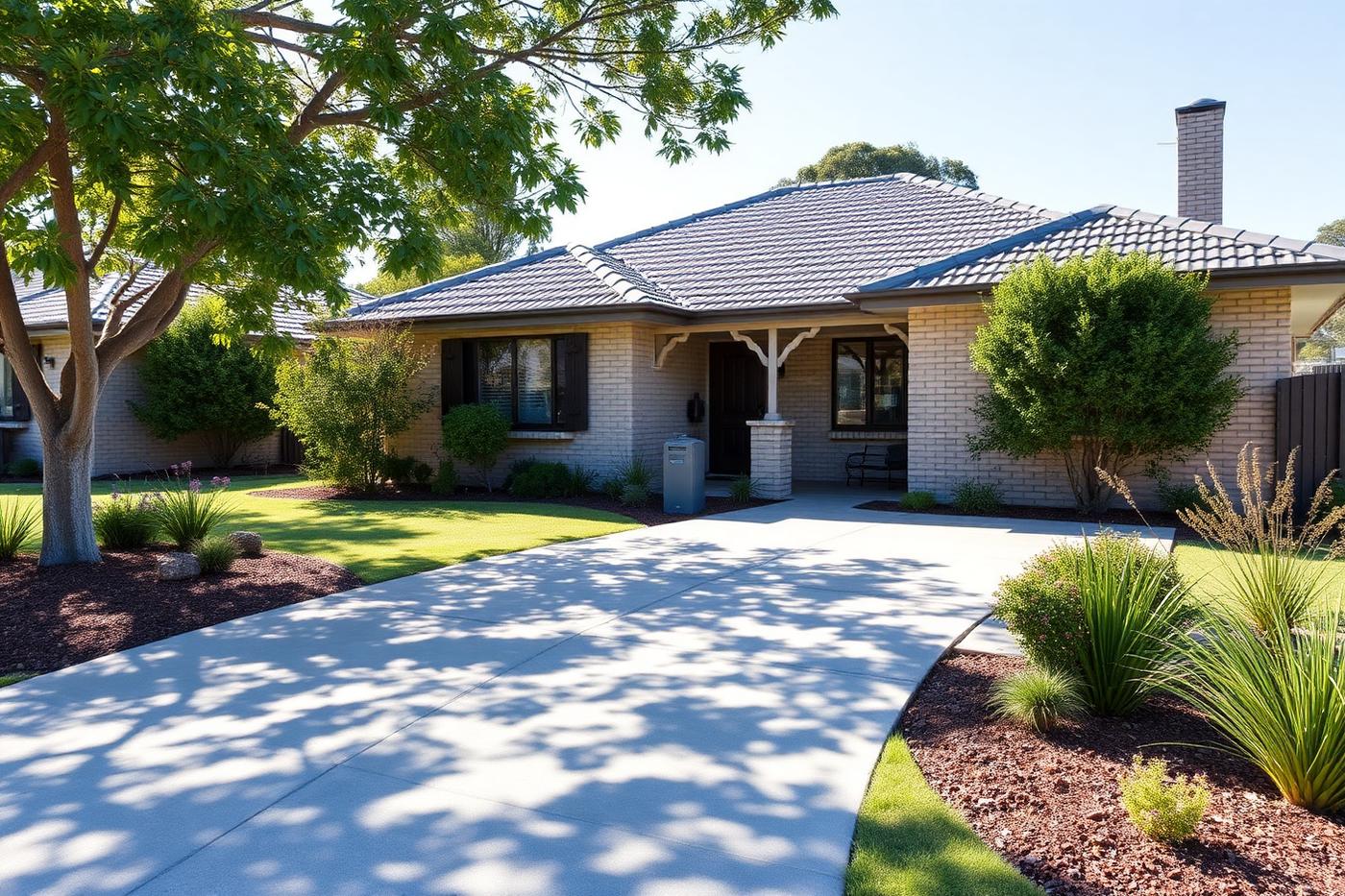
sewer pipe relining →Where digging means breaking concrete, a no-dig repair can avoid costly reinstatement.
how pipe relining works →A camera is run through the line to find the fault and measure its position and length.
Roots, scale and debris are cut out and the host pipe is cleaned so the liner can bond.
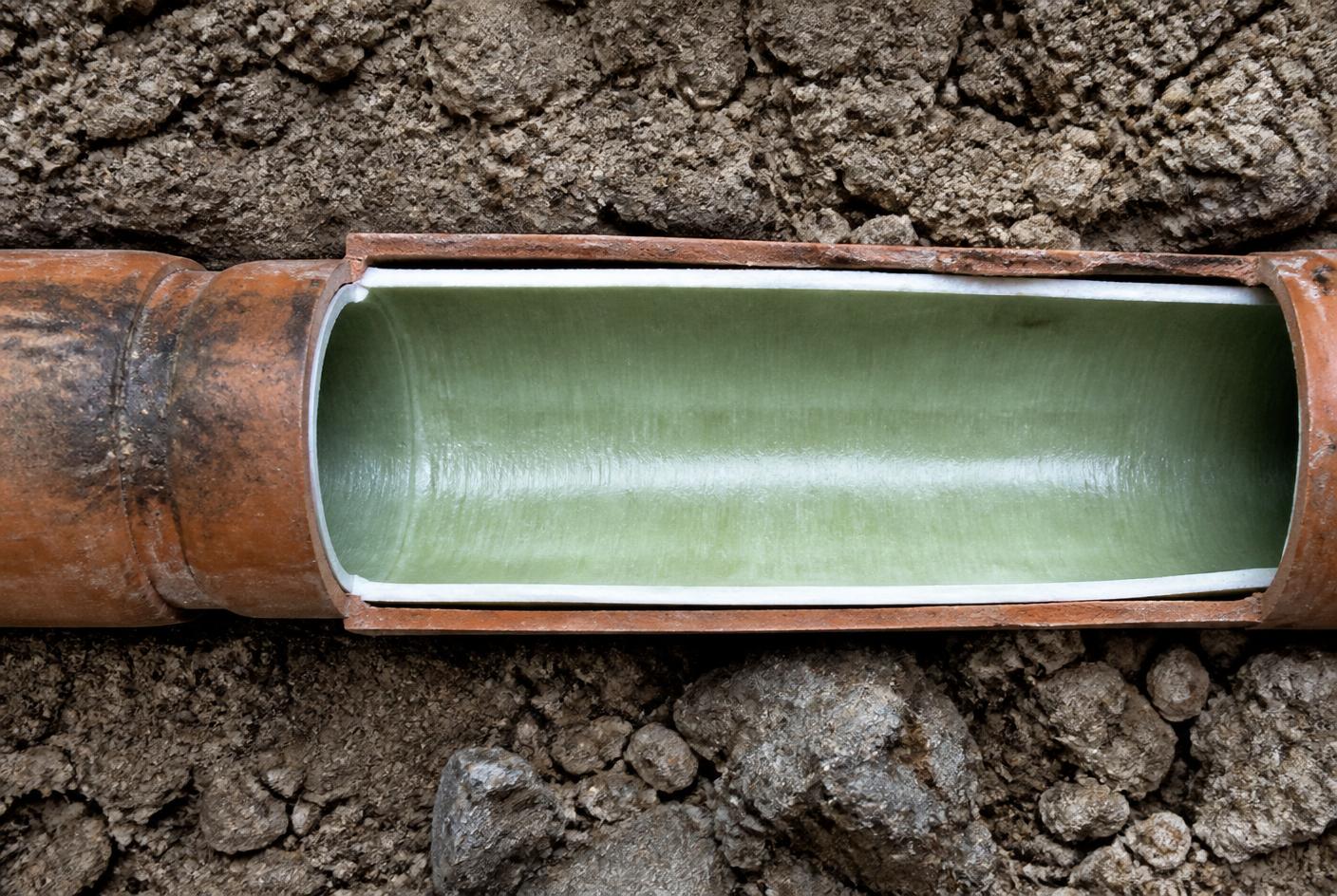
A resin-saturated liner is drawn or inverted into position through an existing access point.
The resin is cured in place — ambient, hot water, steam or UV depending on the system used.
A second camera run confirms the finished liner and that junctions have been reinstated.
Relining isn't right for every pipe. Where a line has collapsed, badly sagged or lost its shape, excavation may still be the appropriate fix — see pipe relining vs replacement.
General market orientation in Australian dollars. These are not quotes — a specialist prices the job after a CCTV inspection.
| Item | Indicative range (AUD) |
|---|---|
| CCTV drain inspection | A$200–550 |
| Short sectional repair | A$2,000–4,000+ |
| Typical residential relining project | A$3,000–10,000 |
| Typical relining rate | A$500–800 per metre |
| Factor | Pipe relining | Excavation / replacement |
|---|---|---|
| Excavation | Minimal in suitable cases | Usually required |
| Driveways / landscaping | Often preserved | May require removal |
| Disruption | Lower | Higher |
| Severe collapse | May not be suitable | Often required |
Enquiries are matched to specialists who service the area. We don't operate offices or employ technicians in these cities.
Whoever you engage, it's worth checking a few basics before work starts:
We don't verify licences or certifications on behalf of contractors, and we don't claim that every matched specialist holds any particular accreditation. Please confirm these details directly.
Pipe relining commonly costs around A$500–800 per metre, and many residential projects fall roughly in the A$3,000–10,000 range. Length, diameter, access and pipe condition all move the figure, so treat these as general market orientation rather than a quote.
Sometimes. Relining often avoids excavation and reinstatement of driveways, slabs or landscaping, which can be a large part of a replacement bill. Where a pipe is shallow and easy to dig, replacement can work out similar or cheaper.
Suppliers of cured-in-place liners commonly cite design lives measured in decades, and installers usually offer their own written warranty. Actual longevity depends on the product used, installation quality and the condition of the host pipe.
Roots enter through cracks and open joints. Once the pipe is cleaned and the roots cut out, a liner can seal those entry points in many cases. If the pipe has collapsed or lost too much structure, replacement of that section may still be needed.
Often little or none — liners are usually installed through existing access points. Some jobs still need a small excavation to create access or to repair a severely damaged section before lining.
Almost always. A camera inspection is how a specialist confirms what's wrong, where it is and whether relining is suitable. Quotes given without one are usually estimates only.
Describe the problem, enter your postcode and submit your enquiry. We help match pipe relining enquiries with suitable specialists servicing your area.